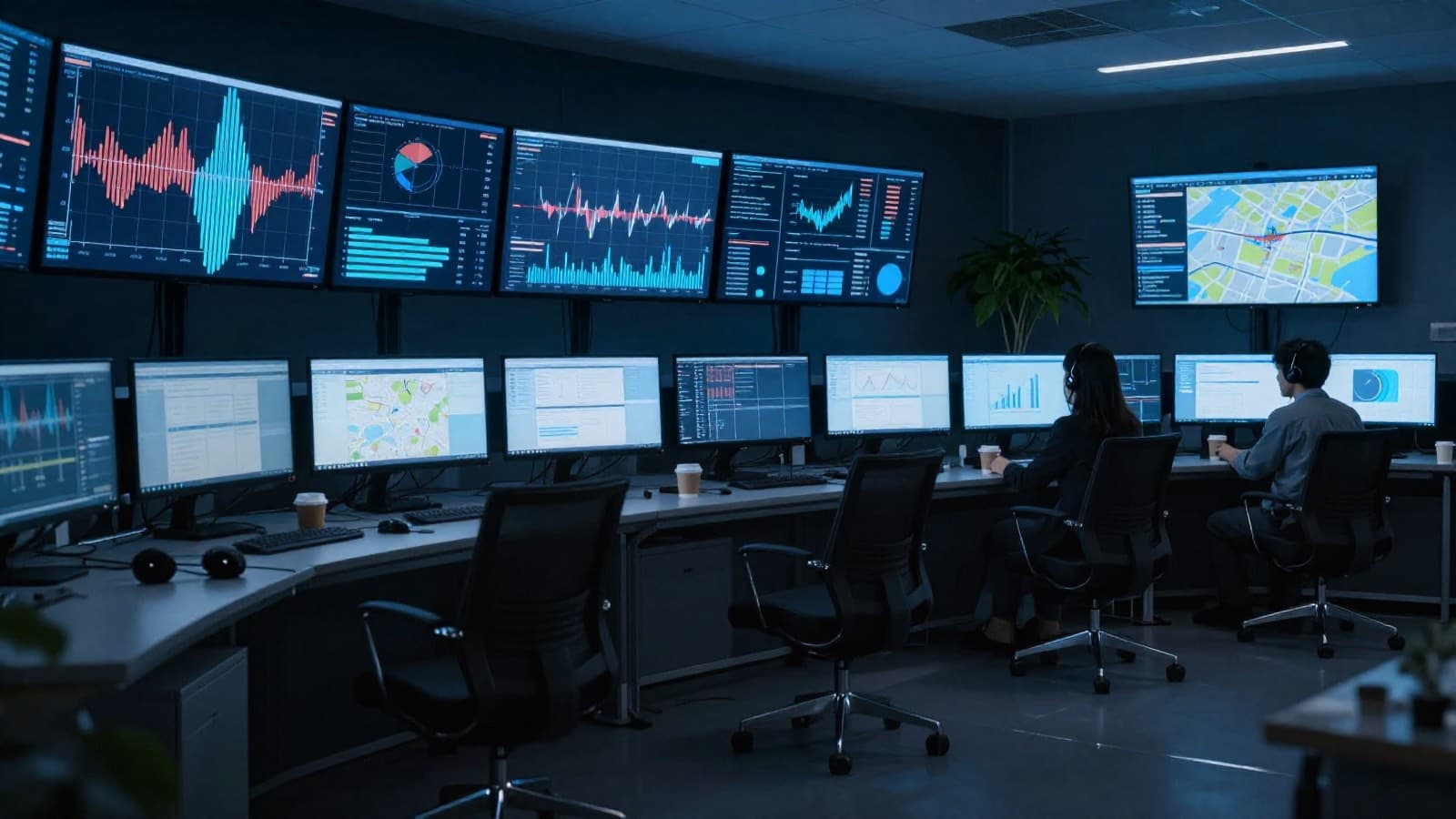
Maria Letta, lead interface designer at Garda, highlights how security tool interfaces can become a significant threat to effective threat detection in SOC centers. In a typical night shift scenario, an analyst faces over 400 alerts in six hours, many false positives, leading to missed real attacks by the 388th alert.
Habituation from Repeated False Alerts
Letta compares this to the 1979 Three Mile Island nuclear accident where over 100 alarms overwhelmed operators, and hidden indicators caused misjudgments. Studies in hospitals show that high volumes of non-actionable alerts slow response times by about 15% per hour. In security, false alert rates often range from 45% to 80%, yet products rarely measure resulting reaction delays.
Automation Bias and Learned Helplessness
The 2009 Air France 447 crash illustrates how prolonged reliance on automation erodes manual skills. Similarly, when security systems auto-prioritize incidents, analysts stop evaluating independently, increasing risks during novel attacks. This fosters automation bias where users trust machine outputs over their own judgment.
Cognitive Load and Background Anxiety
Products like Microsoft Sentinel force users to navigate complex data models instead of task-focused views, draining working memory throughout shifts. Constant red indicators on dashboards create chronic stress that impairs prefrontal cortex functions like planning and handling uncertainty.
Letta traces these issues to historical development practices where complexity signaled power and users adapted rather than complained. She recommends treating false positive rates as product metrics, explaining prioritization logic, designing around analyst tasks, and reserving red alerts for immediate actions.