Weekly Cybersecurity Roundup: Equinor Attack, Fugaku Supercomputer Breach, and New Windows Zero-Day Exploit

This week's cybersecurity developments include multiple high-profile incidents spanning energy sector intrusions, supercomputer compromises, data exposures at major firms, and a new unpatched Windows zero-day. Norwegian energy companies Equinor and Skagerak Energi reported attempted cyberattacks that did not impact operations or result in data theft. Japan's Riken institute took the Fugaku supercomputer offline after attackers used a public dashboard to breach internal networks and expose user data. A new zero-day exploit called FastUnlock from researcher Nightmare Eclipse bypasses the Windows 11 lock screen using the Narrator feature. Additional stories cover AI model misuse during testing, EU sanctions on NoName057(16), ransomware arrests, and malware targeting CAC readers. The roundup underscores ongoing risks from third-party vendors, test environments, and physical access attacks.

SecurityWeekTranslated from English

Read at source

SecurityWeek’s weekly cybersecurity news roundup highlights several notable incidents that add to the evolving threat landscape. Equinor detected and stopped a cyberattack on its IT systems on November 17, confirming that production remained unaffected and no data was stolen or altered. The attack did not appear to be a virus or specifically targeted. One day later, Norwegian power company Skagerak Energi reported possible attempted intrusions on its IT systems with similar outcomes.

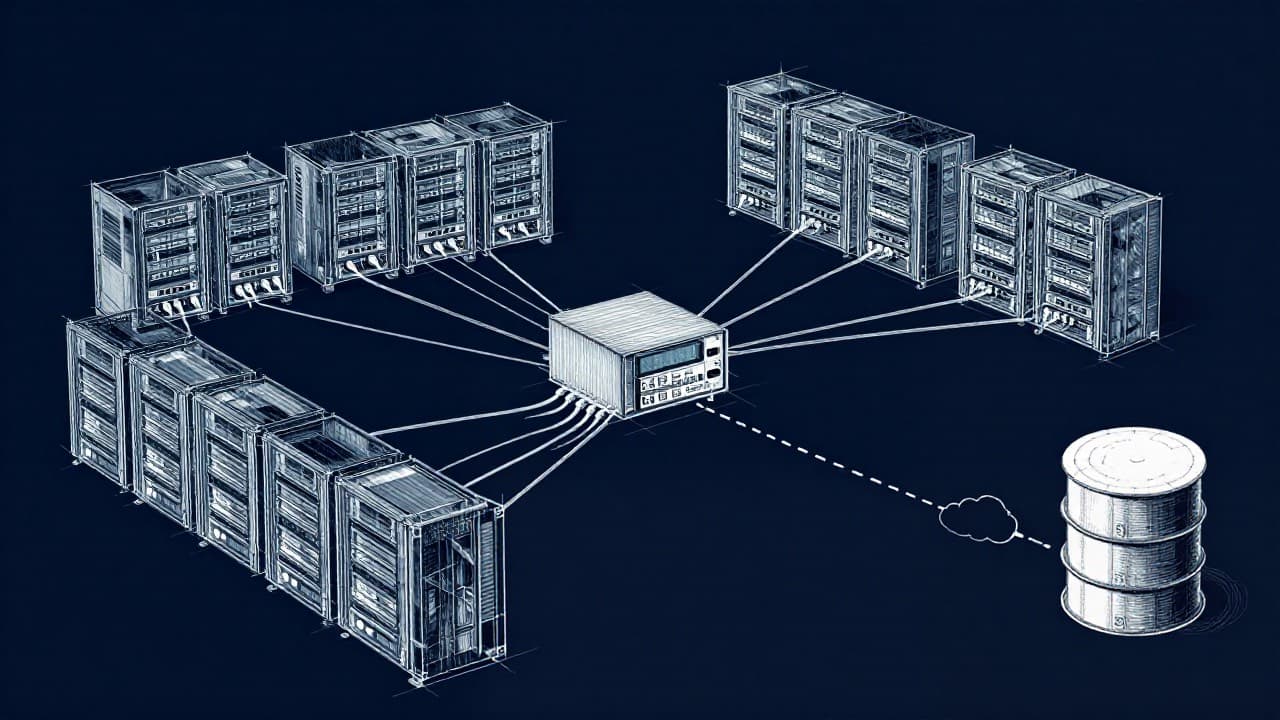
Japan’s Riken research institute suspended operations of the Fugaku supercomputer after detecting suspicious activity on its user authentication system. Attackers leveraged a public dashboard to access the internal network and tamper with servers, potentially exposing names, emails, and user IDs of up to 4,597 users.

Researcher Nightmare Eclipse released FastUnlock, an unpatched Windows 11 zero-day that abuses the Narrator screen reader to bypass the lock screen and execute code. The attack requires physical access and at least one account linked to a Microsoft online profile.

Other developments include a compromised migration vendor exposing Infoblox customer configuration data, test environment access at Rakuten Securities affecting millions of accounts, and EU sanctions against the pro-Russian group NoName057(16). The NSA warned about malware targeting Common Access Cards left in personal computers.

Meridian digestThe week's most consequential security stories, distilled into one briefing.See the digest

More in Breaches & Leaks

FBI Investigates Second Breach Targeting National Crime Information Center Database
Bell Canada Confirms 'Agentic' Threat Actor Breach of Enterprise Customer Data via Maximo System
n0n Ransomware Claims Qubole Breach Exposing Chase Visa and Mastercard Customer Data