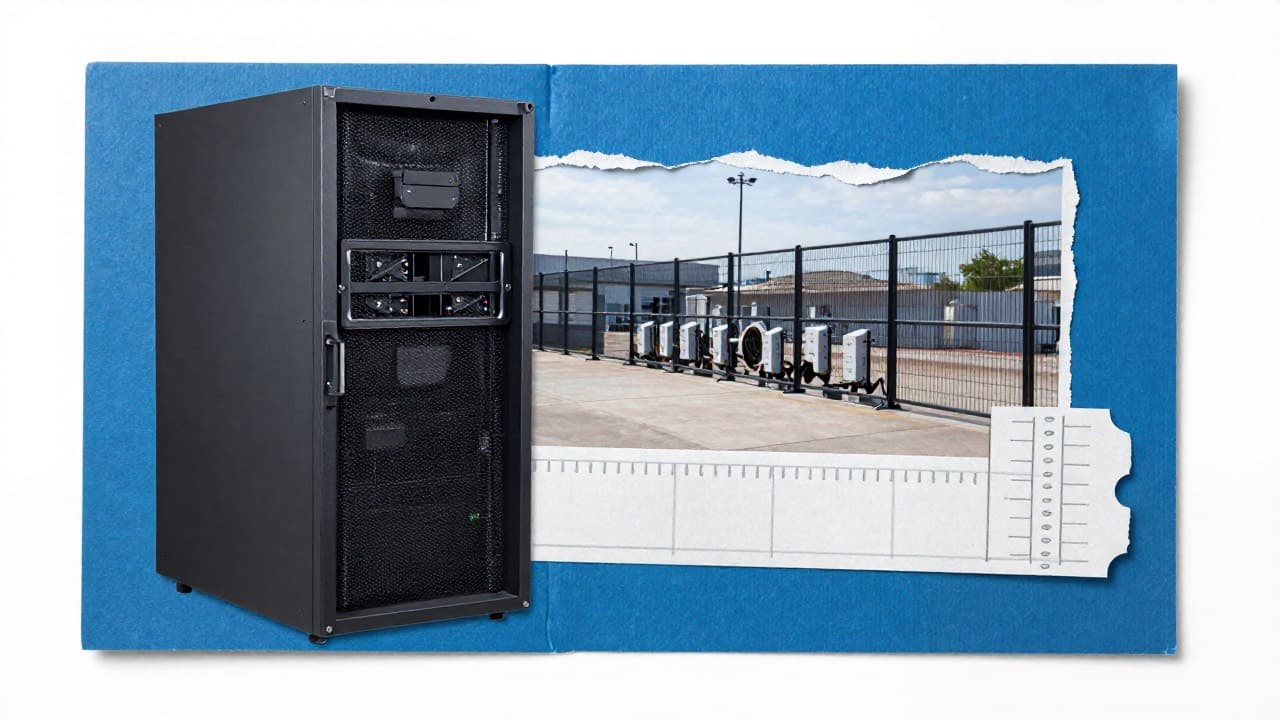
Six critical, unpatched vulnerabilities in Danfoss AK-SM800A refrigeration controllers could allow a remote attacker to take full control of the device without authentication, according to Dutch security consultancy Midnight Blue.
The flaws reside in web request handlers that run with root privileges and do not require login credentials. Researchers led by Carlo Meijer discovered the issues in less than an hour of manual analysis of firmware version 5.3.2. They confirmed the same bugs exist in every version up to and including 5.3.2. Firmware 5.4.0, released in November, does not address any of the issues because it was built before the vulnerability reports were submitted.
Five of the flaws are located in unauthenticated web handlers. The sixth flaw affects the gateway that enforces Strict mode, a security feature intended to block all requests until a user logs in. When tested in an emulator with Strict mode enabled, the flaw caused the gateway to crash; researchers stated the crash could be turned into code execution given additional effort, especially because the gateway lacks basic exploit mitigations such as stack canaries.
With root access an attacker could alter temperature setpoints, trigger unwanted defrost cycles, tamper with logs, and plant persistent malware that survives factory resets and firmware updates because the devices lack secure boot. Danfoss has not published an advisory or a fix date, and no CVE identifiers have been assigned.
Official Guidance from European Agencies
Government cybersecurity agencies in Belgium, Ireland and Germany (BSI) have urged operators to remove AK-SM800A management interfaces from the public internet immediately. The Belgian and Irish advisories state that updating firmware, changing default passwords, or enabling Strict mode is insufficient on its own because one flaw bypasses the Strict mode gateway.
- Identify every controller reachable from the internet, including those connected via 4G or 5G modems.
- Restrict remote access to secure VPNs or protected internal networks.
- Verify temperature setpoints, defrost schedules, alarm settings and user accounts for unauthorized changes.
- Change all credentials if compromise is suspected and validate connected refrigeration equipment.
The Centre for Cybersecurity Belgium and Ireland’s National Cyber Security Centre both emphasize that these steps must be taken regardless of the firmware version in use.