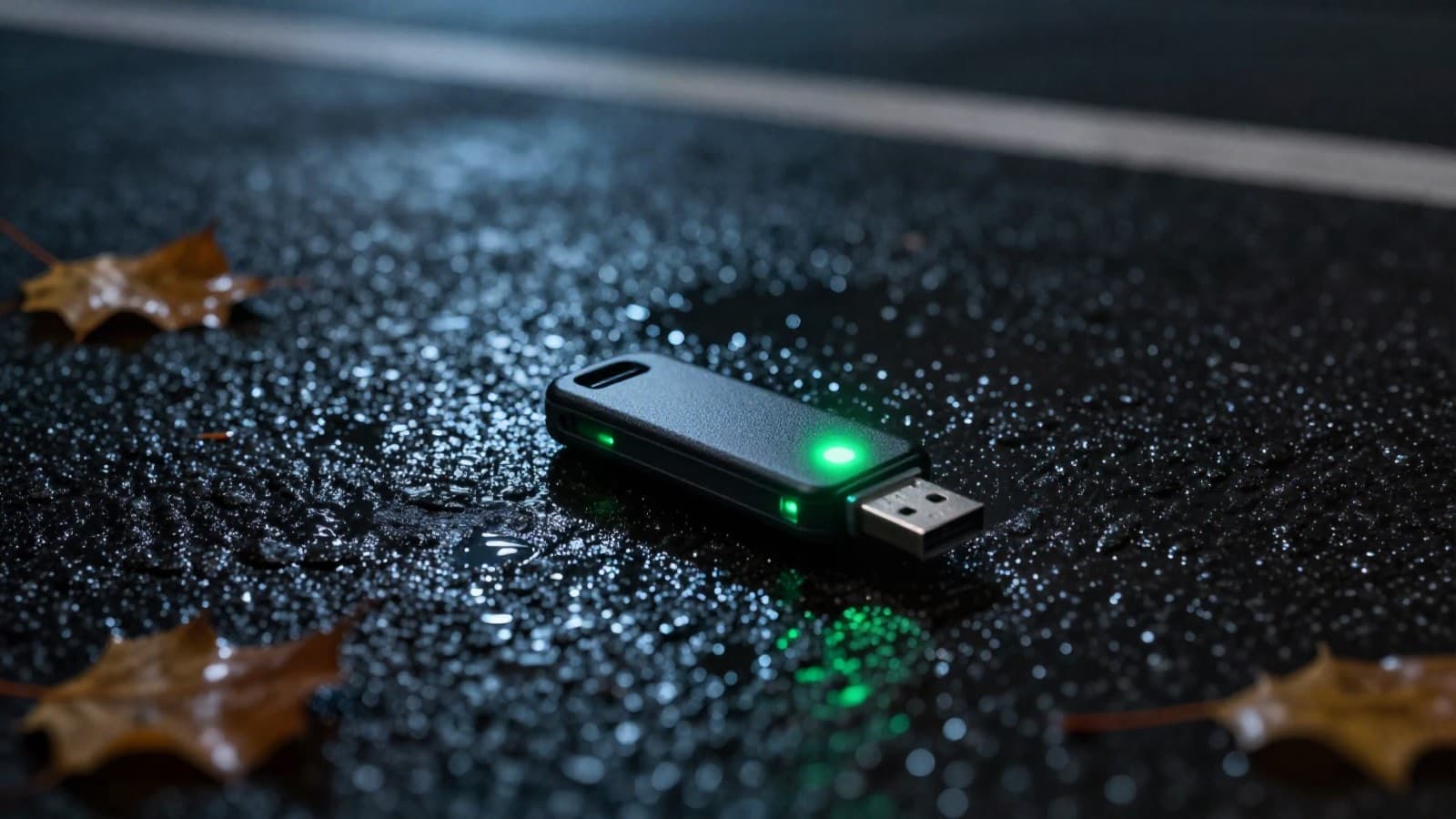
An unknown researcher has published a reconstructed version of the Stuxnet source code on GitHub, complete with reverse-engineering findings and detailed build instructions. The repository effectively turns one of the most famous pieces of cyber weaponry into an open digital artifact that can now be examined component by component.
Stuxnet was first detected in 2010, although it is believed to have been developed as part of the joint US-Israeli Olympic Games operation. Its primary target was the uranium enrichment plant in Natanz, Iran, which relied on Siemens industrial controllers. Once inside the facility, the worm modified the operation of frequency converters, causing centrifuge rotors to fail while presenting normal readings to operators. Estimates suggest the attack damaged roughly 10 percent of the plant’s centrifuges.
Propagation methods included USB drives, network shares, and exploitation of the Windows Print Spooler vulnerability. Simply opening a compromised USB drive was enough to trigger the previously unknown flaw. Stolen digital certificates from Realtek and JMicron were used to bypass driver signature checks. The malware further embedded itself into Siemens WinCC software and Step 7 projects, allowing it to intercept and manipulate communications with programmable logic controllers.
This combination of capabilities made Stuxnet the first widely known malware capable of causing physical damage to industrial equipment rather than merely corrupting data. The operation was not flawless: an error in environment validation allowed the worm to escape the intended network and spread across the internet, where it was eventually discovered. The original code contained a self-destruct date of 24 June 2012.
Anyone studying the reconstruction is strongly advised to do so only inside a completely isolated virtual machine with no network connectivity. The repository is not a harmless retro computing project but a disassembled digital weapon.